PortfolioScilogFiocruz Brasília and Truffle Hunters

AI-guided logistics for biological material, with every trip tracked.

A system that picks the route for biological material, uses drones for the last mile and records every trip on blockchain.

Healthcare logistics · Proof of concept completed · 4 months

Visit the website

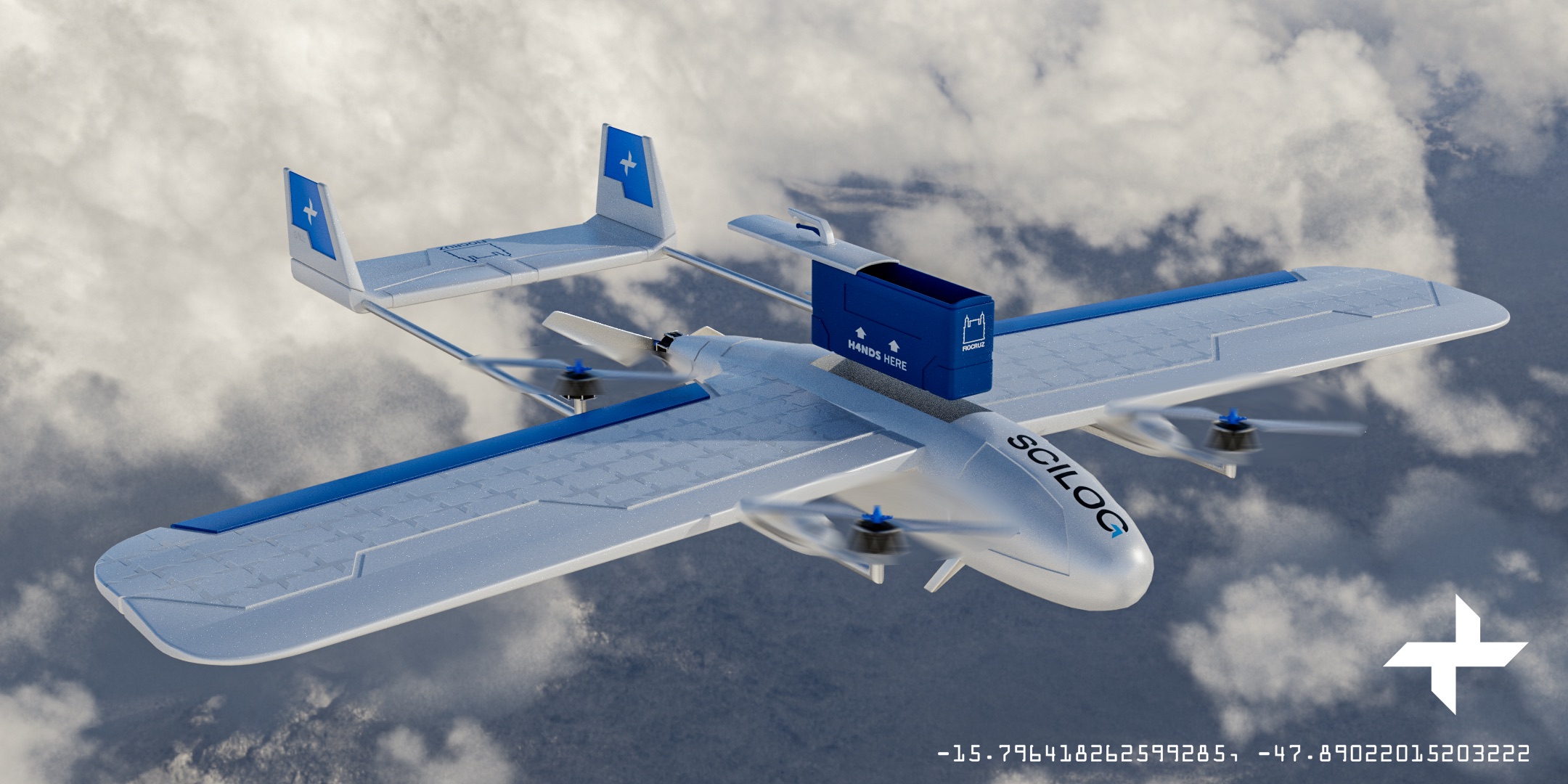
AI picks the route, existing freight covers the long haul and the drone comes in for the last mile. Temperature and route are recorded on blockchain, so the lab can prove the material traveled safely.

Built with
Fiocruz Brasília and Truffle Hunters
Who it's for
Research institutions, labs and hospitals
  • 4 monthsTo the proof of concept
  • 16 min8.2 km flight
  • 28%Lower cost

01Starting point

A cornea, four hours and a road

Izabela Gimenes, a researcher at Fiocruz, needed bovine corneas. The nearest slaughterhouse was 200 km from the lab, and the material has to be used within 4 hours.

The road was eating up that window.

  • 200 kmfrom the nearest slaughterhouse to the labSource: H4NDS Lab press release
  • 3h30by road to the labSource: H4NDS Lab press release
  • 4 hoursis the window to use the material
02Discovery

The road was beating the clock

To find out whether the problem was hers alone, we ran a study with Fiocruz scientists, led by Izabela herself and approved by the ethics board.

The study confirmed the pain point and revealed the twist. Labs and hospitals move biological material every day, by road, and it arrives with no proof of how it traveled. The problem wasn't the cornea or the road: it was the chain of custody.

The truffle

The problem wasn't just getting there in time. It was proving how the material traveled.

Who feels it

Researchers, labs and hospitals that ship biological material

What it costs

Lost material, tests that can't be run, and transport with no record that counts toward lab accreditation.

03White space

No one owned the whole trip

Everyone who moves biological material solves one piece: the car carries it, the plane carries it, the cooler keeps it cold. No one brought together route, speed and proof of how the material traveled.

  • Collection vans and motorcycle couriers

    They get stuck in traffic and don't record temperature or route in a way that counts as proof.

  • Air and road freight between cities

    It covers the long haul but stops at the airport or the carrier's depot, and the last mile stays slow.

  • Insulated box with a temperature logger

    It preserves and measures, but the data stays on the device and doesn't prove the route to an auditor.

04Business Design

The drone is just one piece

The most direct answer was to swap the road for the air. But to count toward lab accreditation, the lab has to prove how the material traveled, and that takes more than a drone.

In Business Design, we designed a logistics service for biological material: existing freight covers the long haul, the drone comes in for the last mile, AI picks the route and every trip is recorded on blockchain.

05Build and Validation

In 4 months, the proof of concept flew

With the pain point confirmed by the study, the solution still had to be validated. We designed the drone and the system and got both in the air, with support from the DF Inovador grant.

In the test, the drone beat the car on the same route.

  • 8.2 kmin the proof-of-concept flightSource: Agência Brasil
  • 16 minby drone, versus up to 40 by car
  • 28%lower cost, according to the project
  • 6.4 to 7.3 °Cwas the temperature of the box during the flightSource: Proof-of-concept report

06Prototyping

Logistics for science, with drones only where they make a difference

The final product brought route, speed and proof together: AI picks the path, the drone flies the final stretch and the trip record supports accreditation.

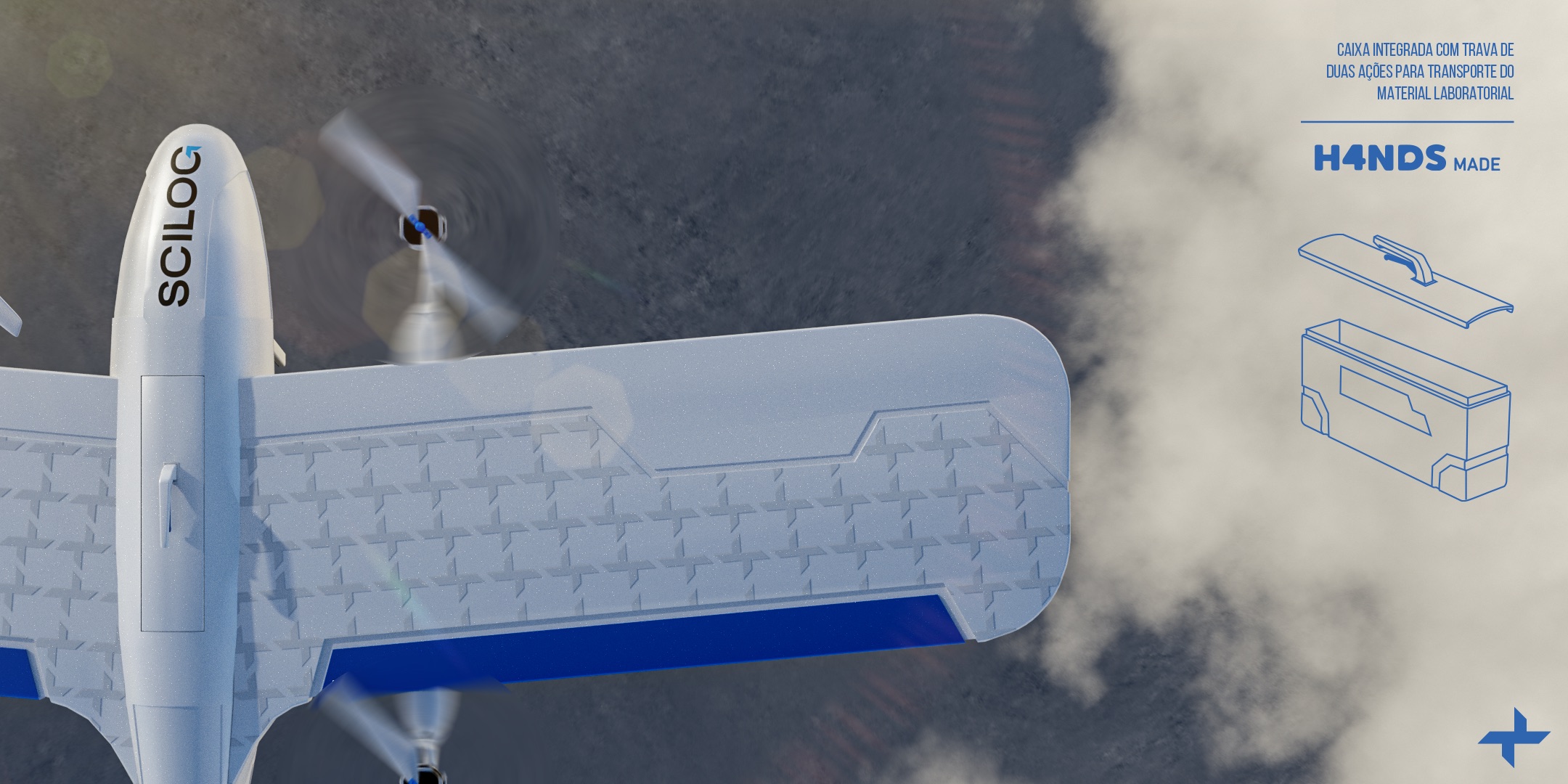
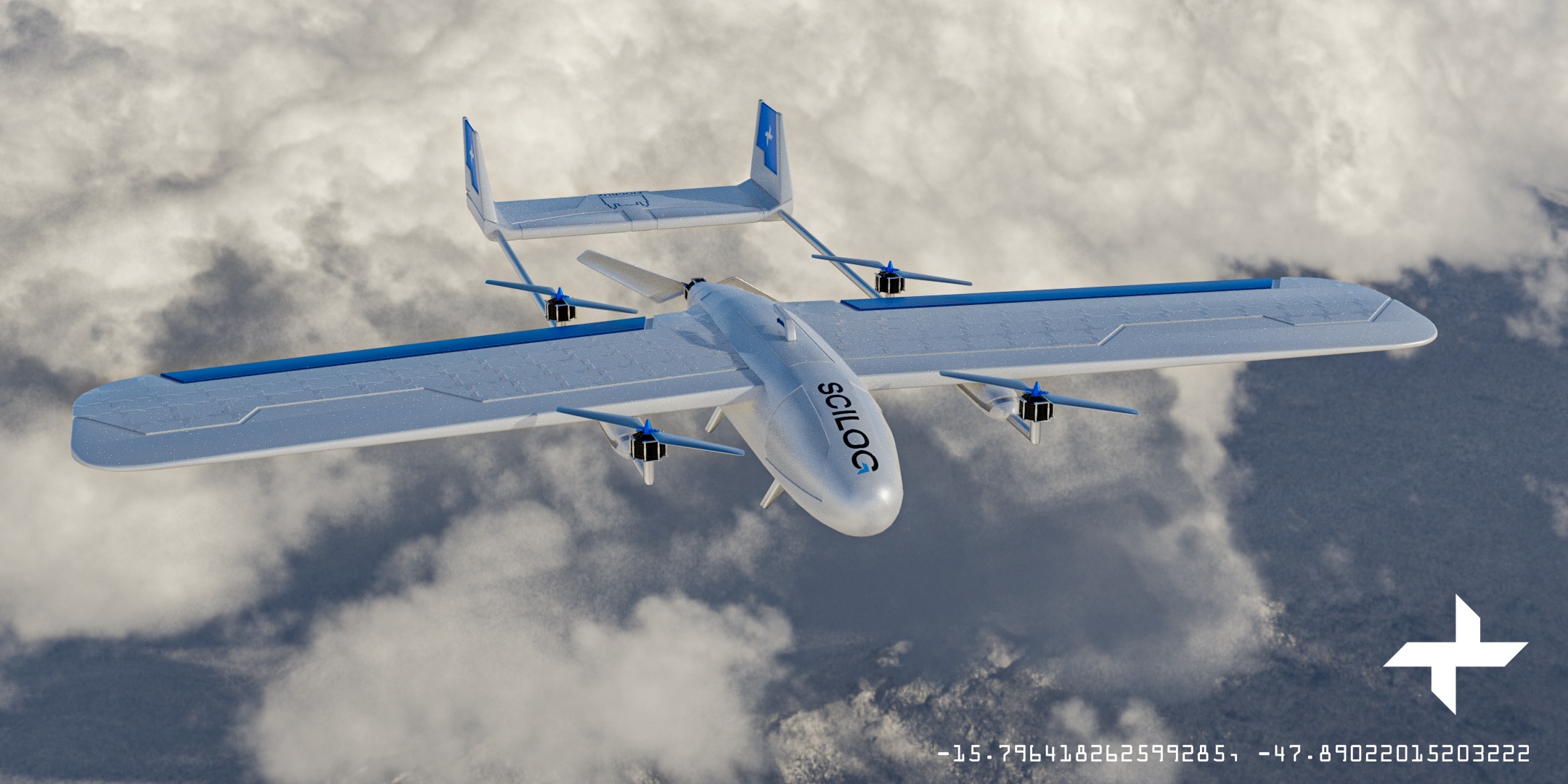
Scilog connects existing air and road freight to a drone fleet that handles the final leg inside the city. Artificial intelligence maps and picks the route for each shipment. A logger in the box records temperature and humidity along the way, and the trip data is written to blockchain, the basis for lab accreditation.

How it works

  1. 01Request

    The lab says what it needs to ship, from where and to where.

  2. 02Route

    The AI builds the route: partner freight for the long leg, drone for the last mile.

  3. 03Pack

    The material goes into the biosafety box, with a temperature and humidity logger.

  4. 04Fly

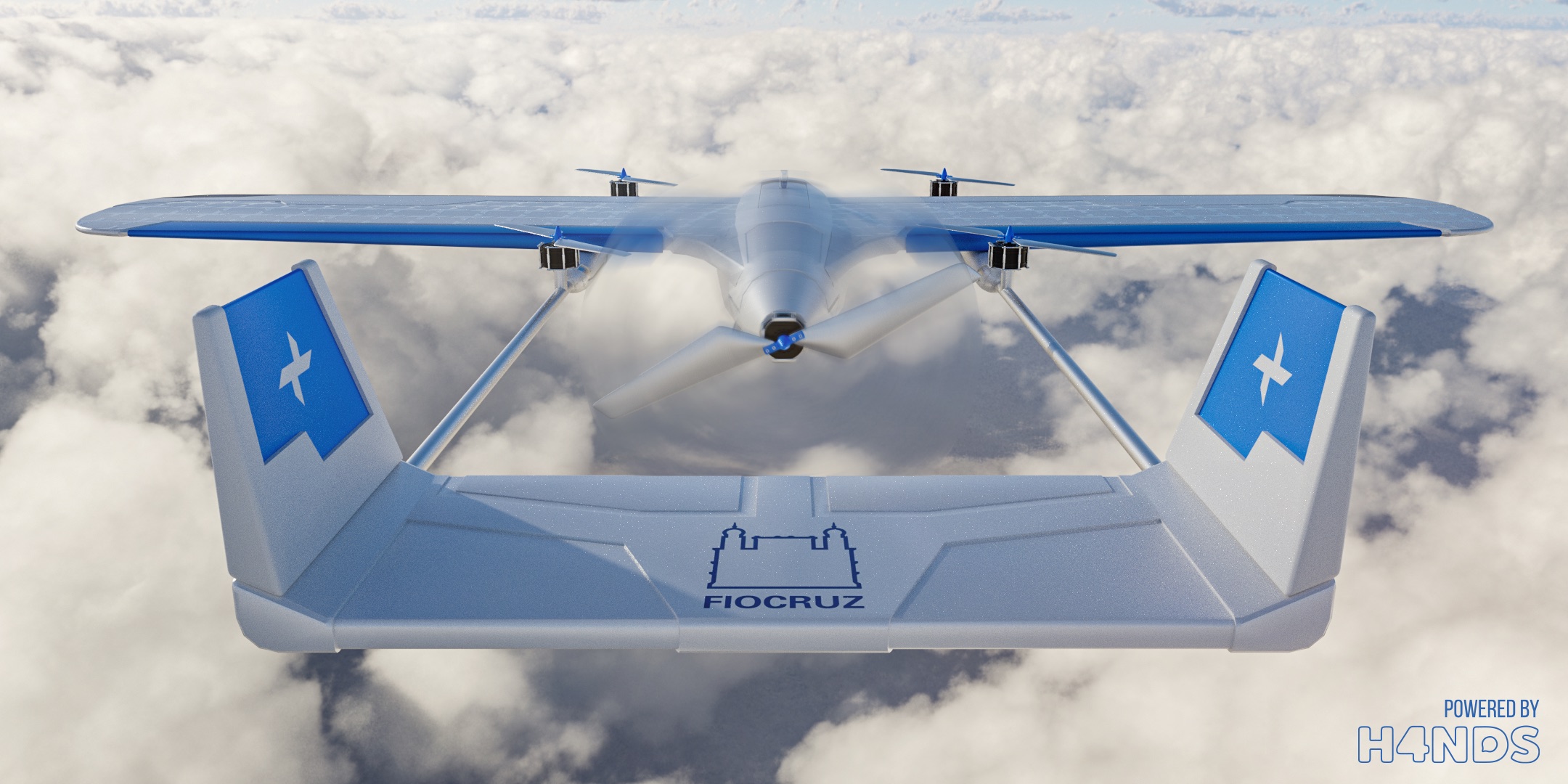
    The drone takes off and lands vertically, with no runway, and carries the material to its destination.

  5. 05Record

    At the end of the trip, the route data is written to blockchain and serves as proof for accreditation.

07Today

They walked in with biological material that was expiring on the road. They walked out with a tested air route.

The next phase, with UnB and Lacen-DF, depended on clearance from Anvisa and Anac. Truffle is a co-owner of Scilog.

  • 4 monthsto the proof of concept

Projects work because people make them work.

Izabela GimenesFiocruz Co-Laboratory

In the press

Next case study

SightSekronRetail intelligenceBehavior analysis, management alerts and recommendations from computer vision on the security cameras retail chains already have

Truffle Hunters: we hunt for valuable opportunities, often hidden inside existing markets, established organizations or the experiences and ambitions of entrepreneurs.

Get in touch